

Digital Payments Continue to Transform the Financial Landscape as More Consumers Go Cashless
Banks Increasingly Focus on Digital ServicesDigital Payments, Finance News, Banking News, Digital Banking, Online Payment, Mobile Banking, Personal Finance, Financial Technology, Fintech News, Money Management, Banking Technology, Digital Finance, Payment News, Investment News, Business News, Financial Services, Cashless Economy, Online Banking, Finance Update, Money News

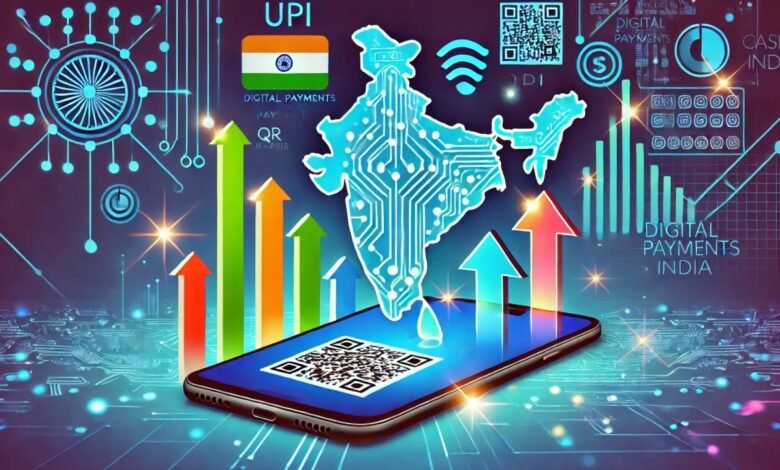
Digital payments have become an important part of everyday financial transactions as consumers increasingly use smartphones, banking applications and online payment platforms for purchases, bill payments, money transfers and other financial activities.
The growing use of digital payment services is changing the way people manage their money. From small grocery purchases to larger transactions, consumers are increasingly choosing electronic payment methods instead of carrying cash. The convenience of making payments within seconds has made digital transactions particularly popular among younger consumers and small businesses.
Mobile Payments Gain More Popularity
Smartphones have played a major role in the expansion of digital finance. Mobile banking applications allow customers to check account balances, transfer money, pay bills and manage other banking services without visiting a branch.
Digital payment platforms have also made it easier for small businesses and local merchants to accept electronic payments. Many shops now provide customers with multiple payment options, reducing their dependence on cash transactions.
Financial Services Become More Accessible
The growth of digital finance is also helping bring financial services closer to people who may have limited access to traditional banking infrastructure. Online banking and mobile-based services can allow customers to access basic financial facilities without travelling long distances to a bank branch.
Digital financial services are also being increasingly used for savings, investments, insurance and other financial products. This has created a broader digital ecosystem where consumers can manage several aspects of their finances from their smartphones.
Cybersecurity Remains a Major Concern
Despite the rapid growth of digital payments, cybersecurity remains an important concern. As more financial transactions move online, users need to remain careful about fraudulent calls, fake links, suspicious applications and attempts to obtain banking information.
Financial experts generally advise users never to share passwords, PINs, one-time passwords or other confidential banking details with anyone. Customers should also verify payment requests before completing transactions.
Banks Increasingly Focus on Digital Services
Traditional banks are also expanding their digital offerings as customer preferences change. Mobile banking, internet banking and automated customer-support systems are becoming increasingly important parts of modern banking.
The shift toward digital banking is also encouraging financial institutions to invest in technology and improve the speed and convenience of their services.
What This Means for Consumers
For consumers, digital finance can provide greater convenience and faster access to financial services. However, convenience also comes with the responsibility of maintaining good digital security practices.
Experts believe the digital transformation of financial services is likely to continue as technology becomes more deeply integrated into everyday life. Consumers who understand both the benefits and risks of digital finance can make better decisions about how they manage their money.